
Hardwood, filler, and installation — the working notes
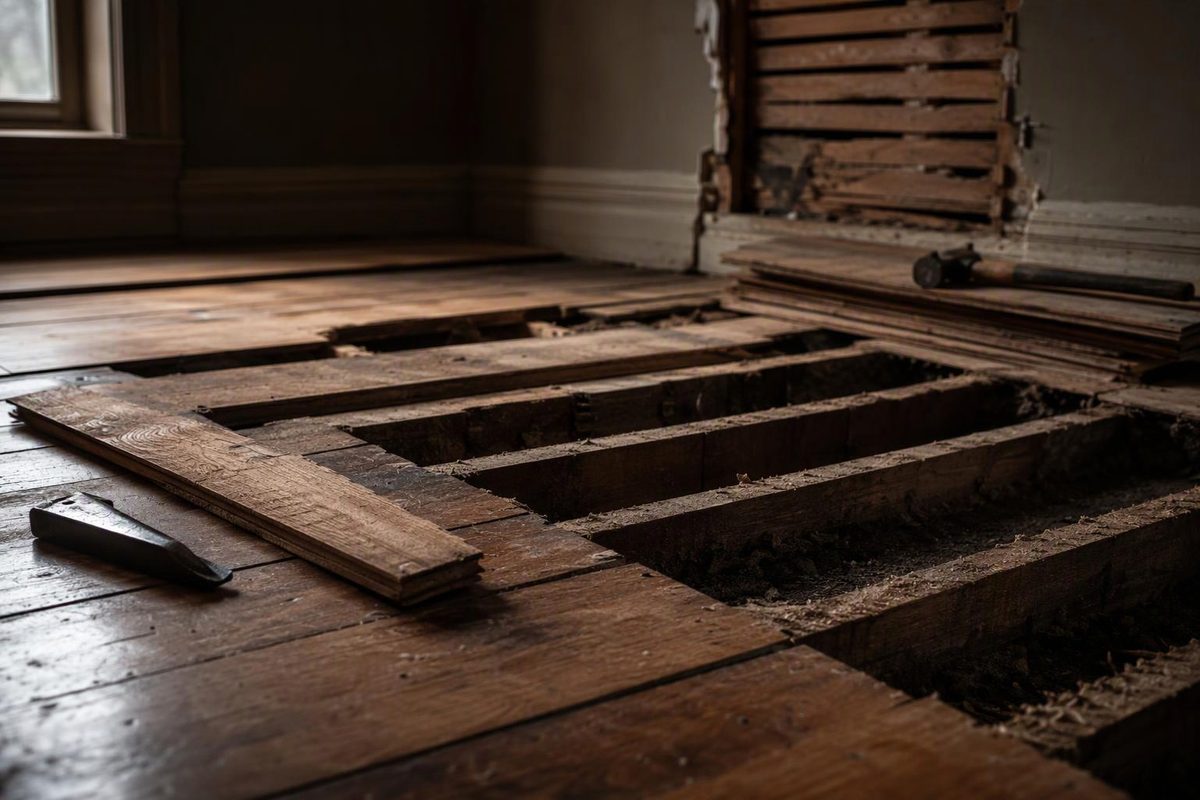
Levelling a Wooden Floor: Measure First, Then Choose the Fix
Separate uneven boards from subfloor dips and structural sagging. Measure flatness, choose a compatible repair, and know when to stop DIY work.
By Dev Okonjo · 2026-10-10 · 5 min readLatest
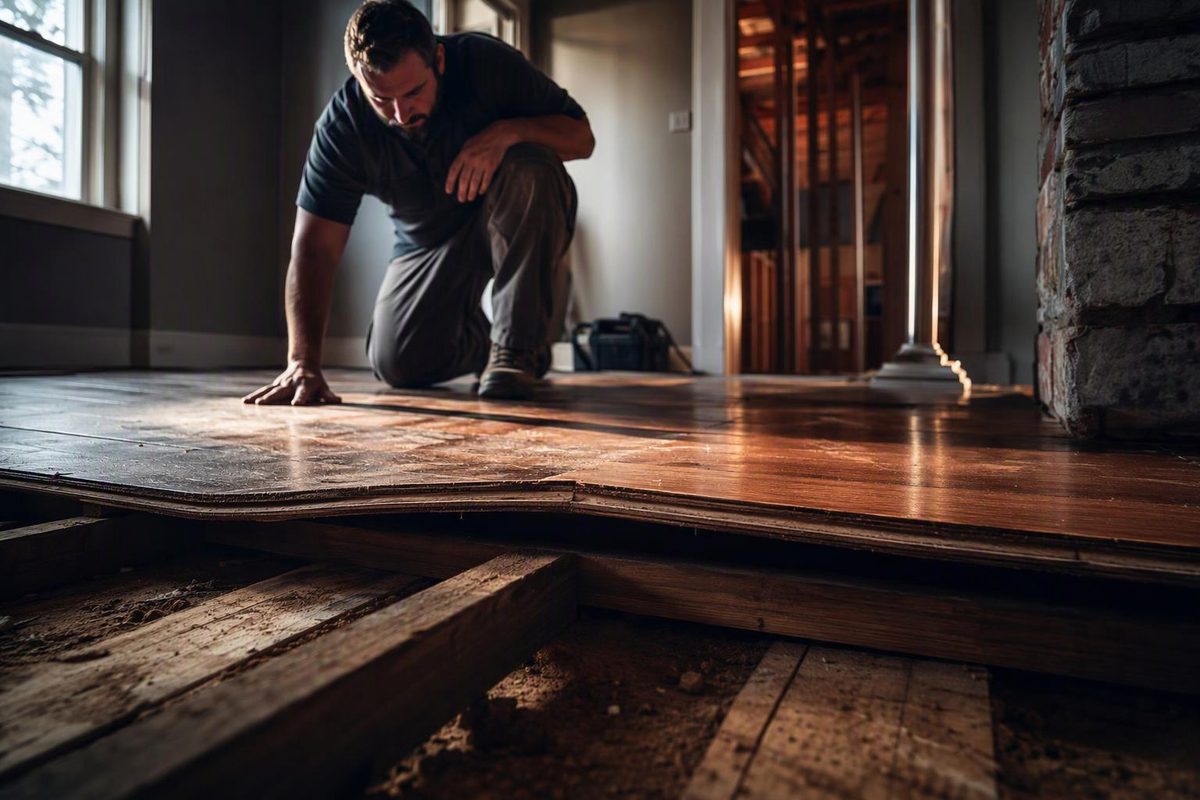
Uneven Floor: Diagnose the Cause Before Choosing a Fix
Measure an uneven floor, separate board distortion from subfloor dips and structural sagging, and know when to stop DIY work.
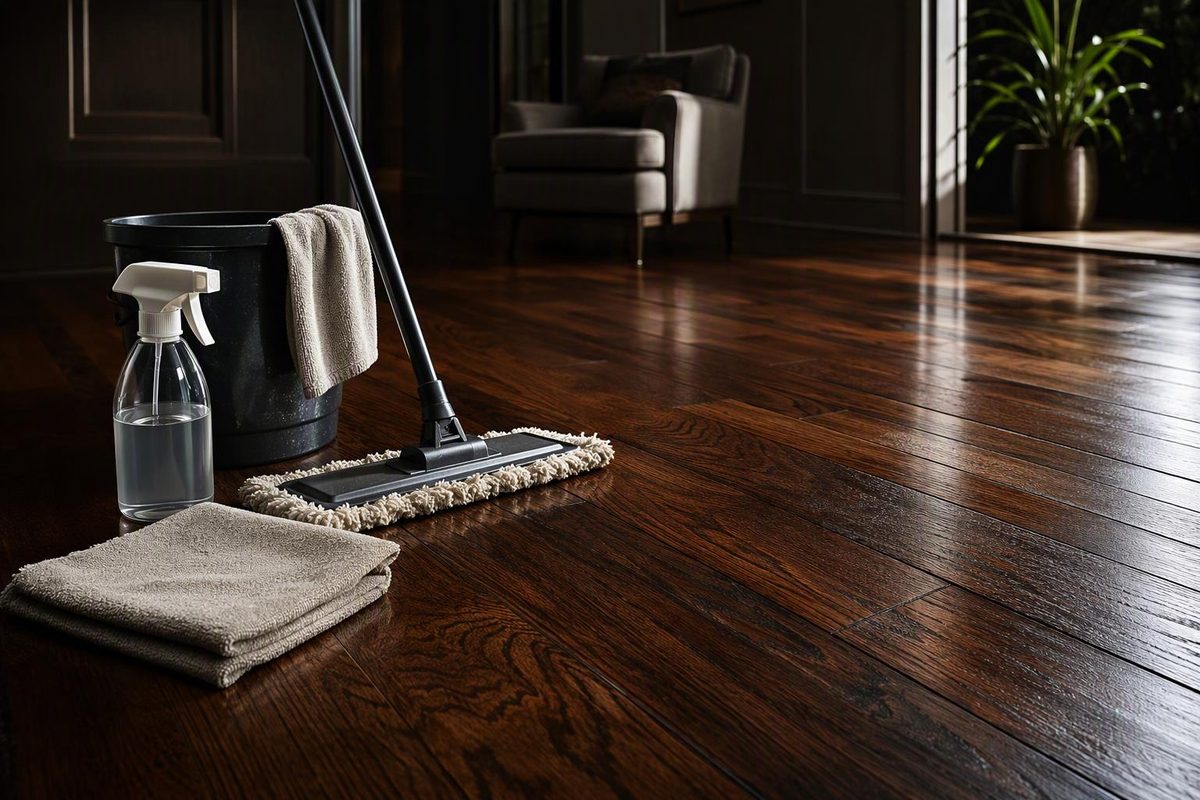
Hardwood Floor Care: Clean Without Damaging the Finish
Choose the right hardwood floor cleaner, use minimal moisture, avoid shine-product shortcuts, and recognize when cleaning should give way to repair.
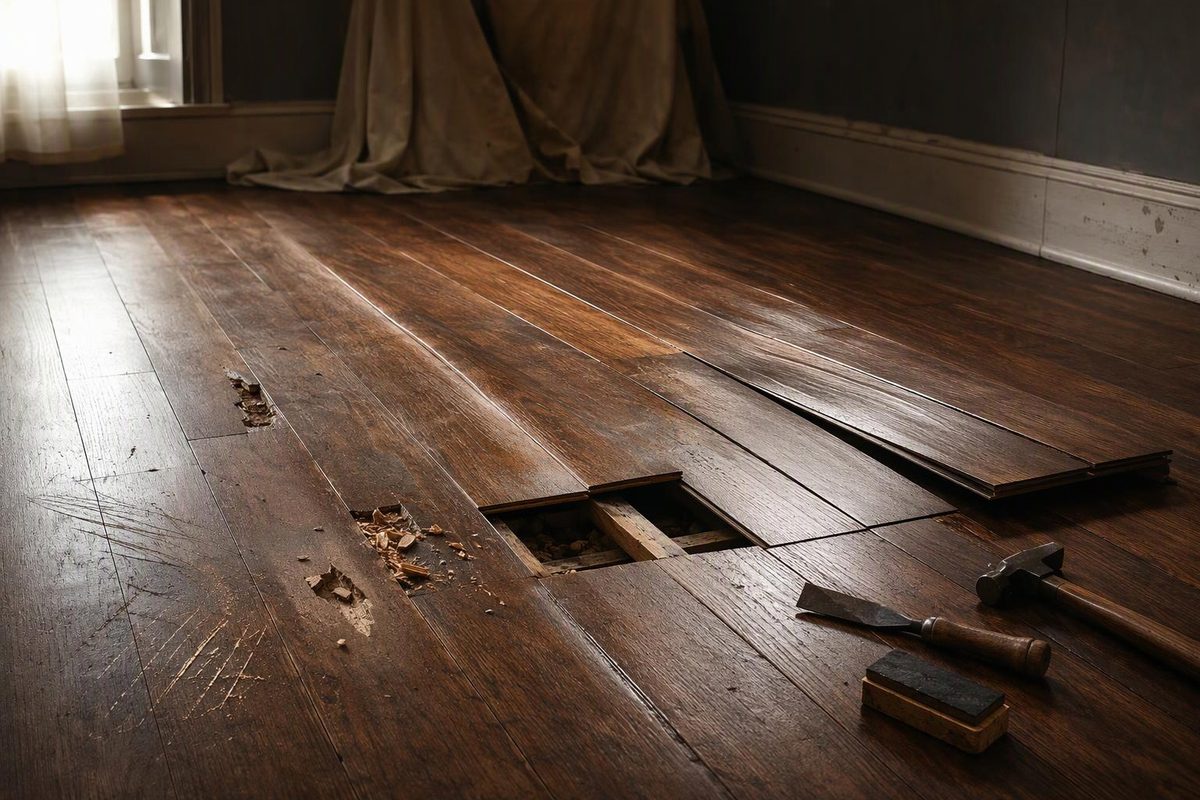
Fixing Wood Floors: Choose the Repair by Symptom
Match scratches, chips, gaps, cupping, squeaks and sagging to the right wood floor repair—and know when to stop cosmetic work.
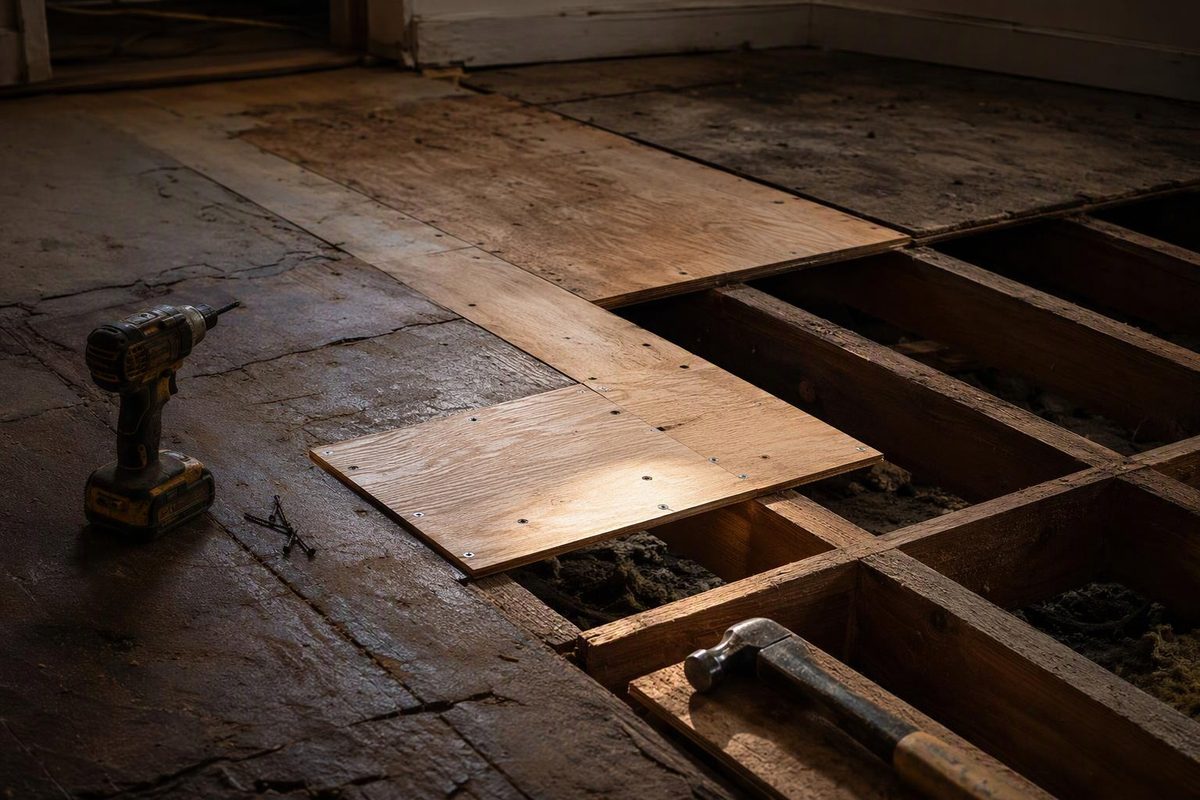
Sub Floor Repairs: When to Refasten, Patch, or Replace
Match squeaks, soft spots and swollen seams to the right subfloor repair. Learn when fastening is enough, panels need replacing or framing needs assessment.
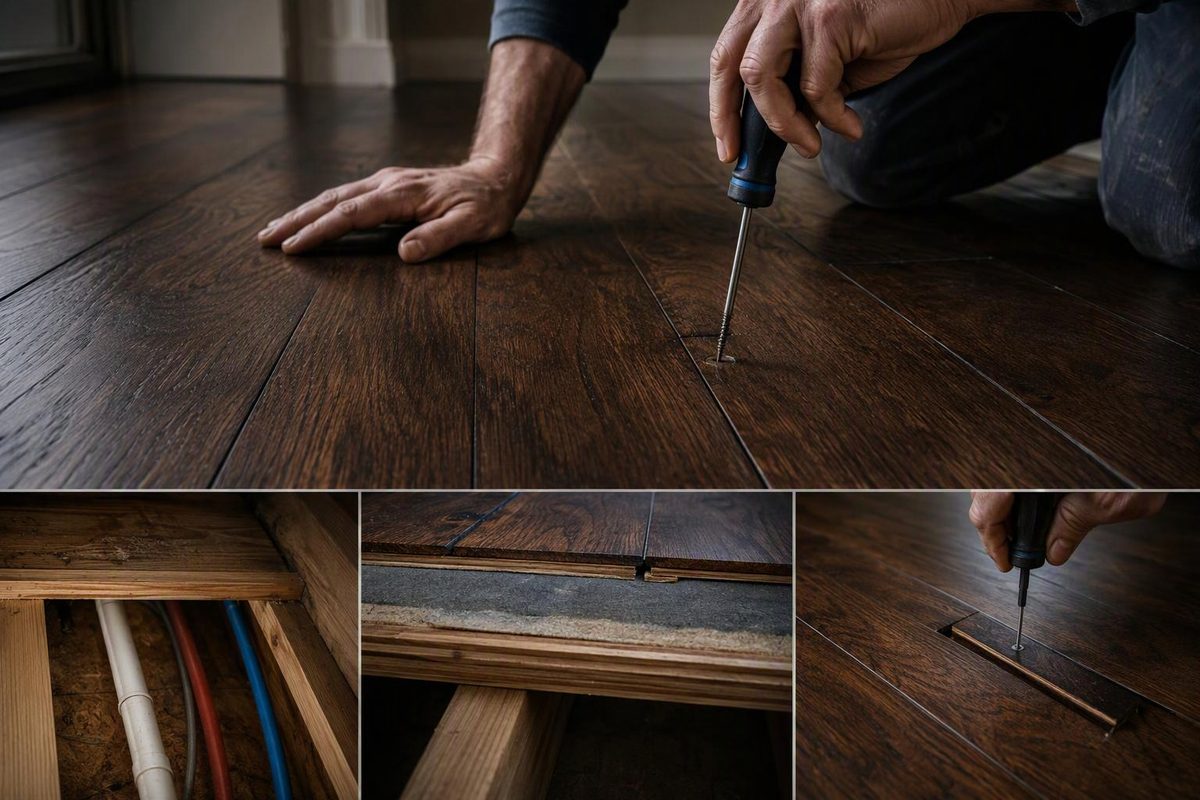
How to Fix a Squeaky Hardwood Floor From Above
Find the moving board, confirm the floor assembly, and choose a trim-screw or breakaway repair—with clear stop points for moisture and hidden utilities.
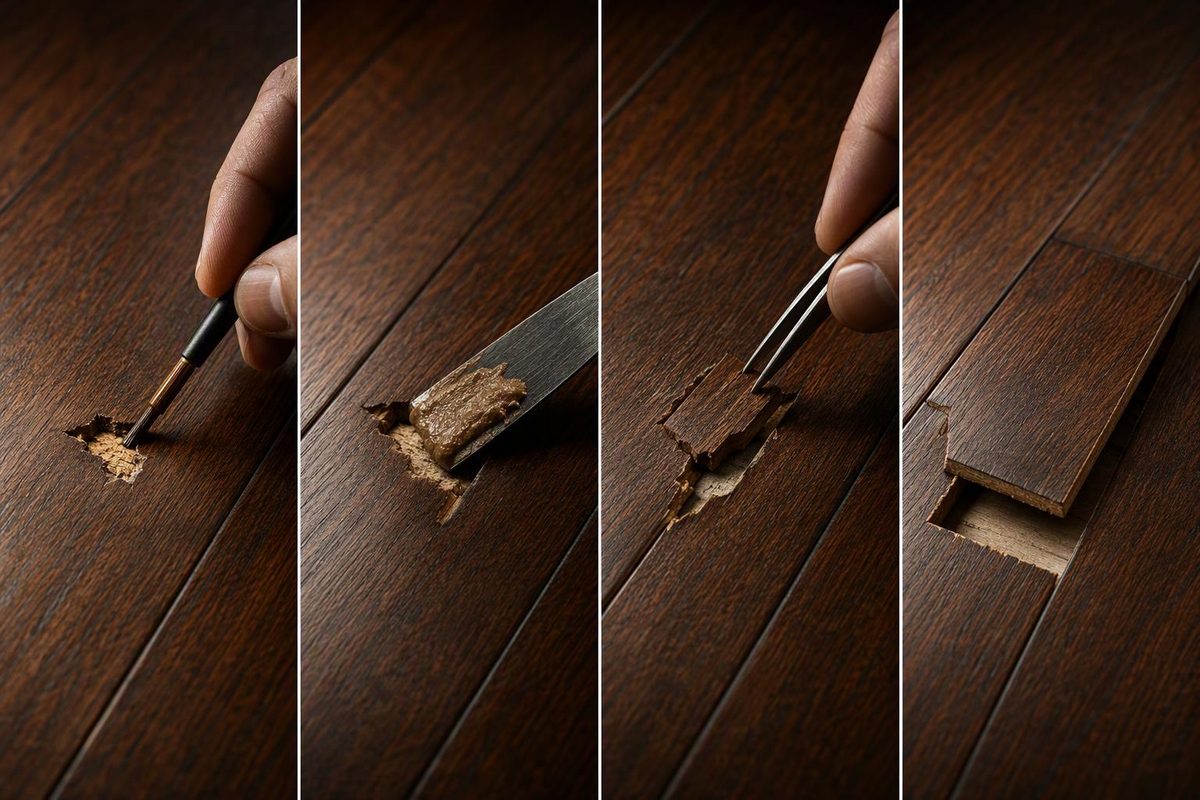
Chipped Hardwood Floor Repair: Fill, Reattach, or Replace?
Match your hardwood chip to the right repair: finish touch-up, hard wax, a saved wood fragment, or board replacement, with steps that protect nearby finish.
More articles
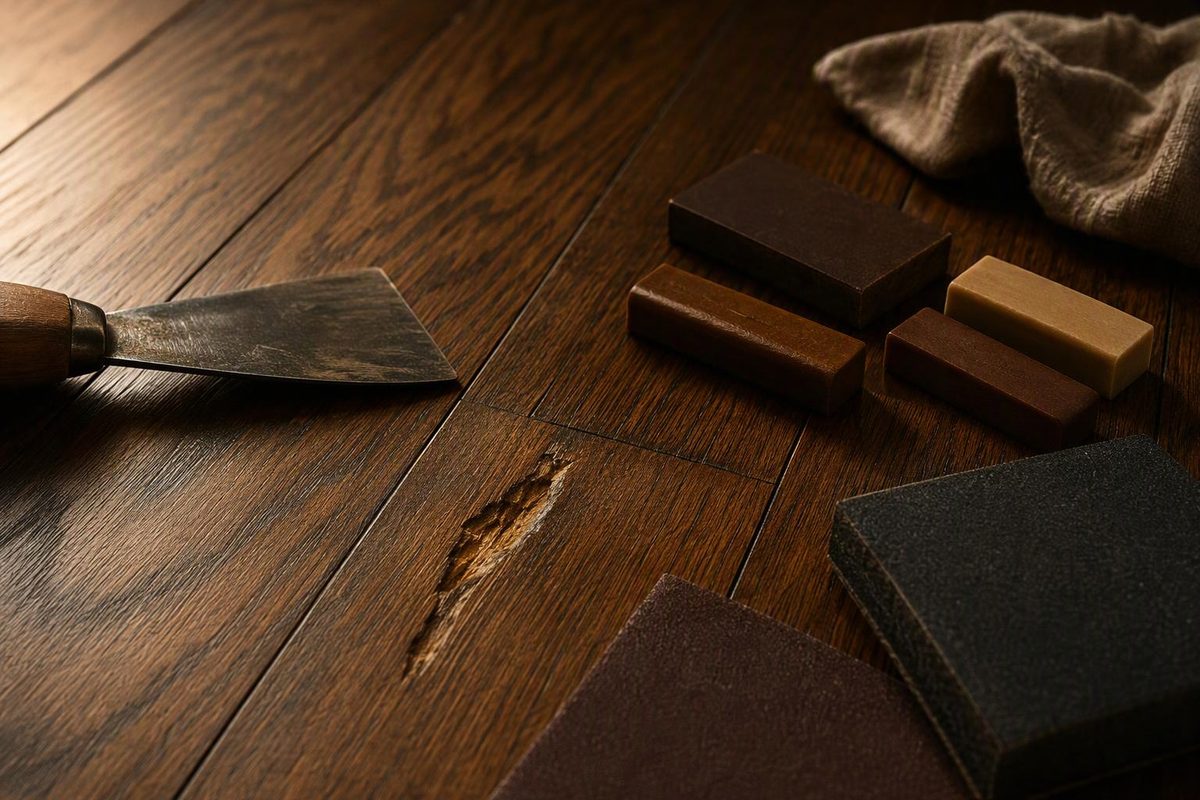
How to Repair a Gouge in a Hardwood Floor
Choose hard wax, sandable filler, or board replacement for a hardwood floor gouge, with practical repair steps and clear sanding stop points.
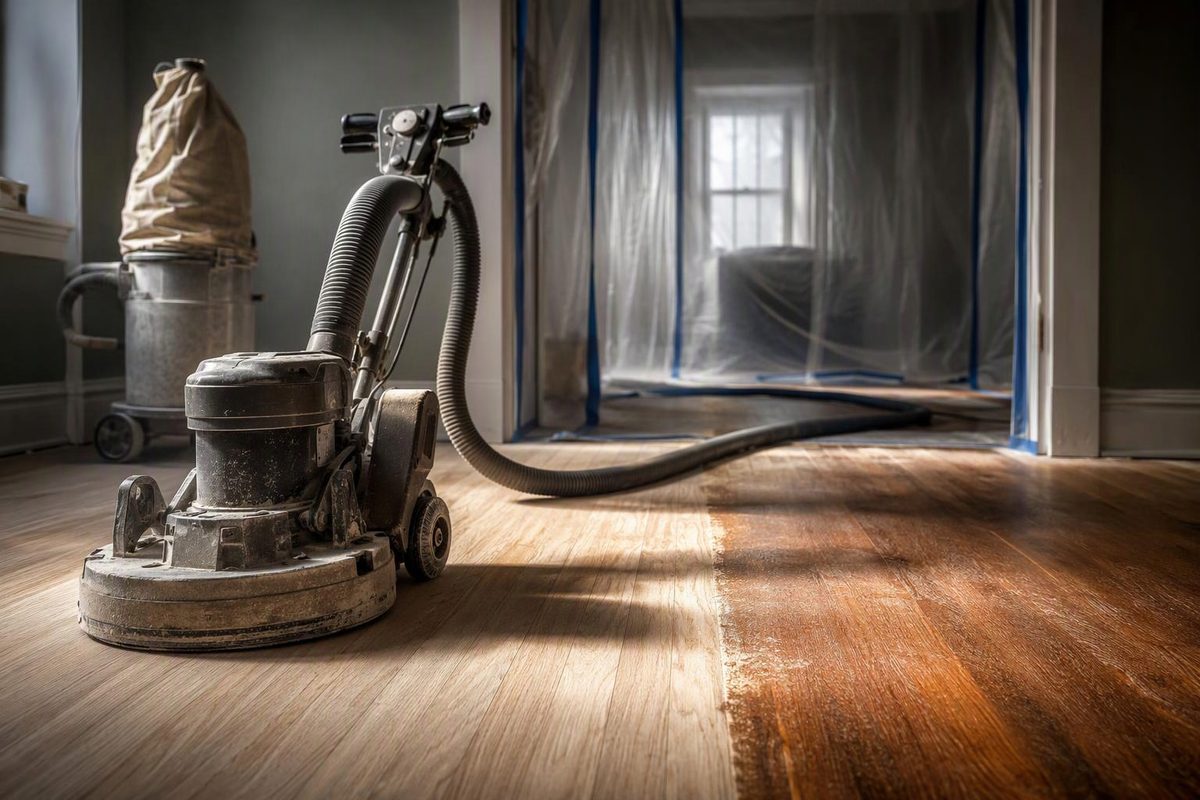
Dustless Floor Sanding: What It Means and What to Check
Dustless sanding captures debris but cannot guarantee a dust-free home. Check floor suitability, extraction equipment, containment and cleanup before booking.
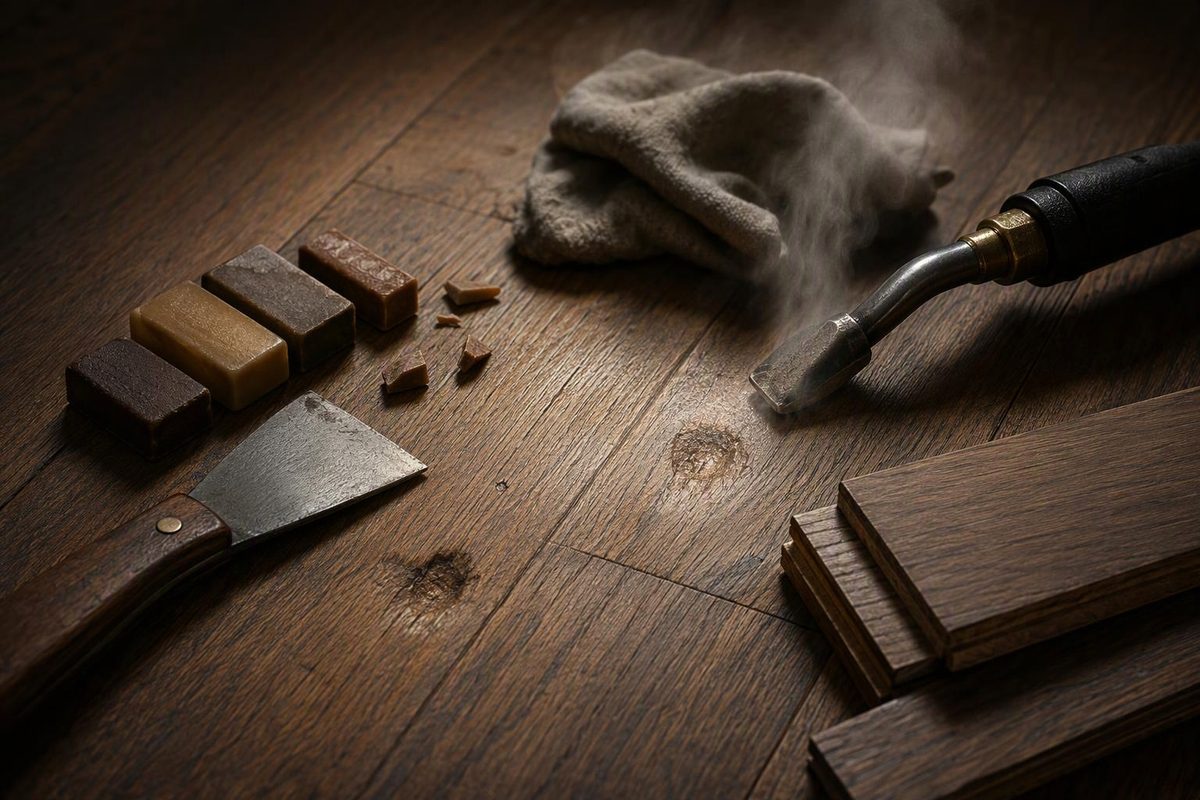
How to Repair a Dent in a Hardwood Floor
Choose a hardwood dent repair by damage depth and finish: touch-up, hard-wax filling, professional steam lifting, or board replacement.
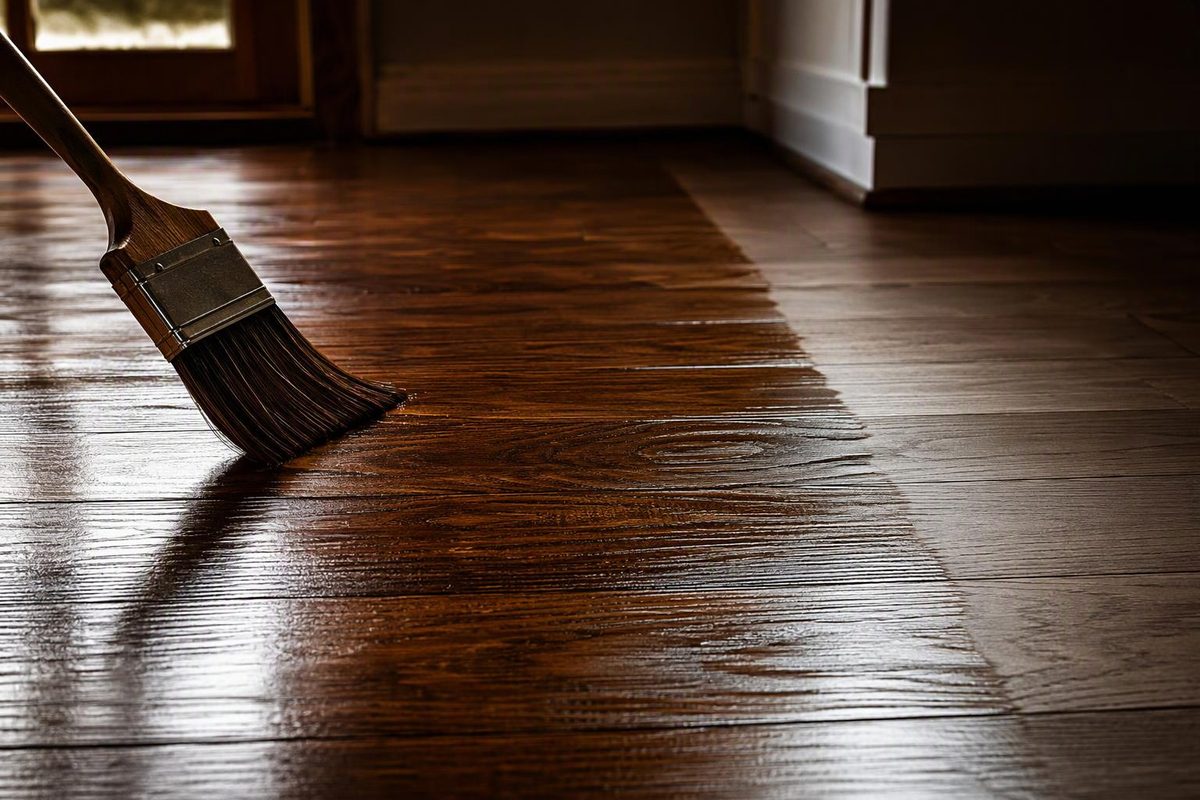
Brush Marks in Polyurethane: Fix a Streaky Wood Floor
Tell raised brush ridges from lap marks, check sanding readiness, and choose a compatible floor recoat without damaging the stain or repeating the defect.
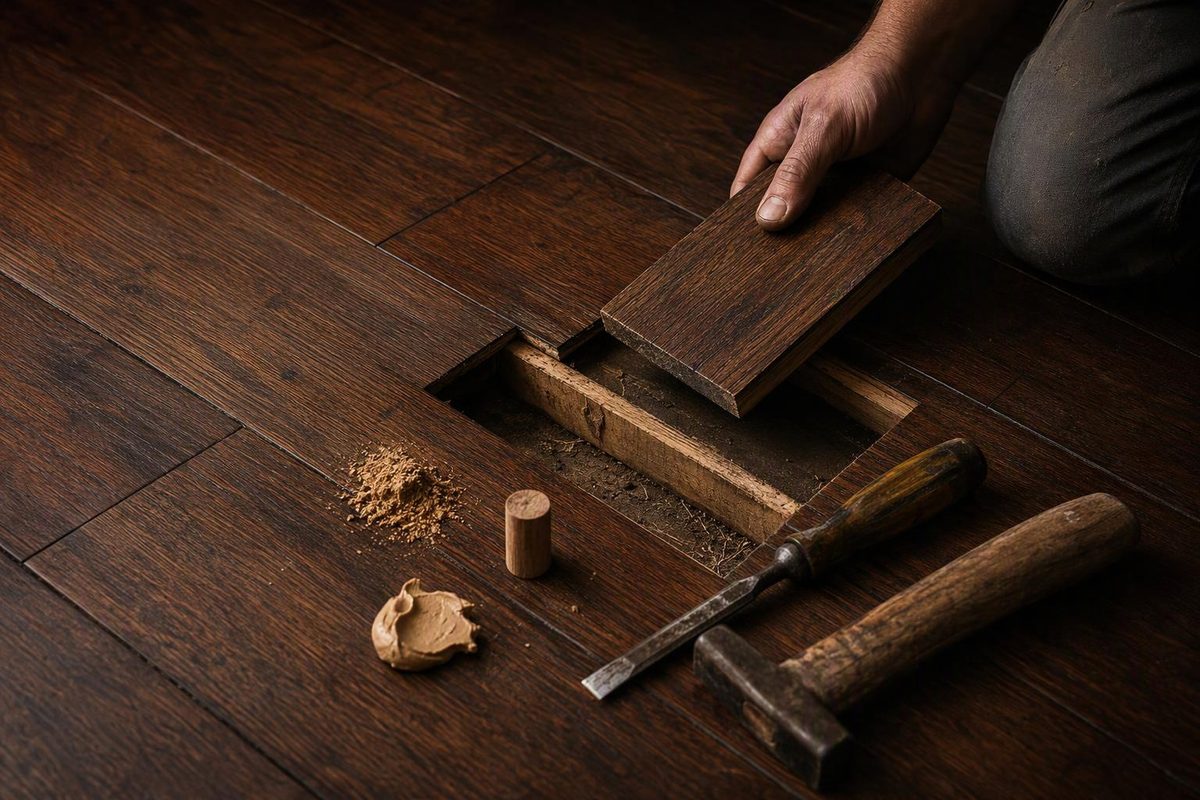
How to Repair a Hole in a Hardwood Floor
Choose filler, a wood plug, or board replacement based on hole depth, board condition, and the floor beneath it—with clear DIY stop points.
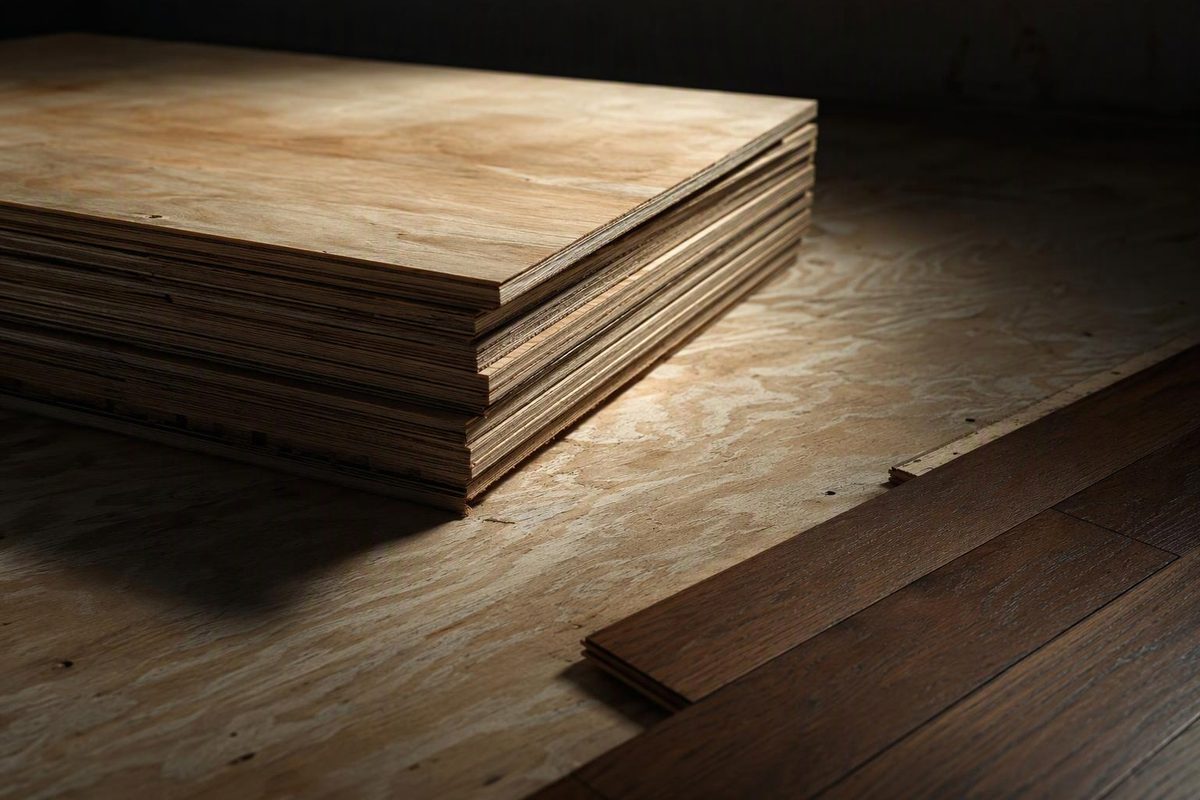
Does the Plywood Tariff Affect Underlayment Panels?
Some imported plywood underlayment falls within hardwood and decorative plywood duty cases. Check origin, panel construction and supplier documentation.
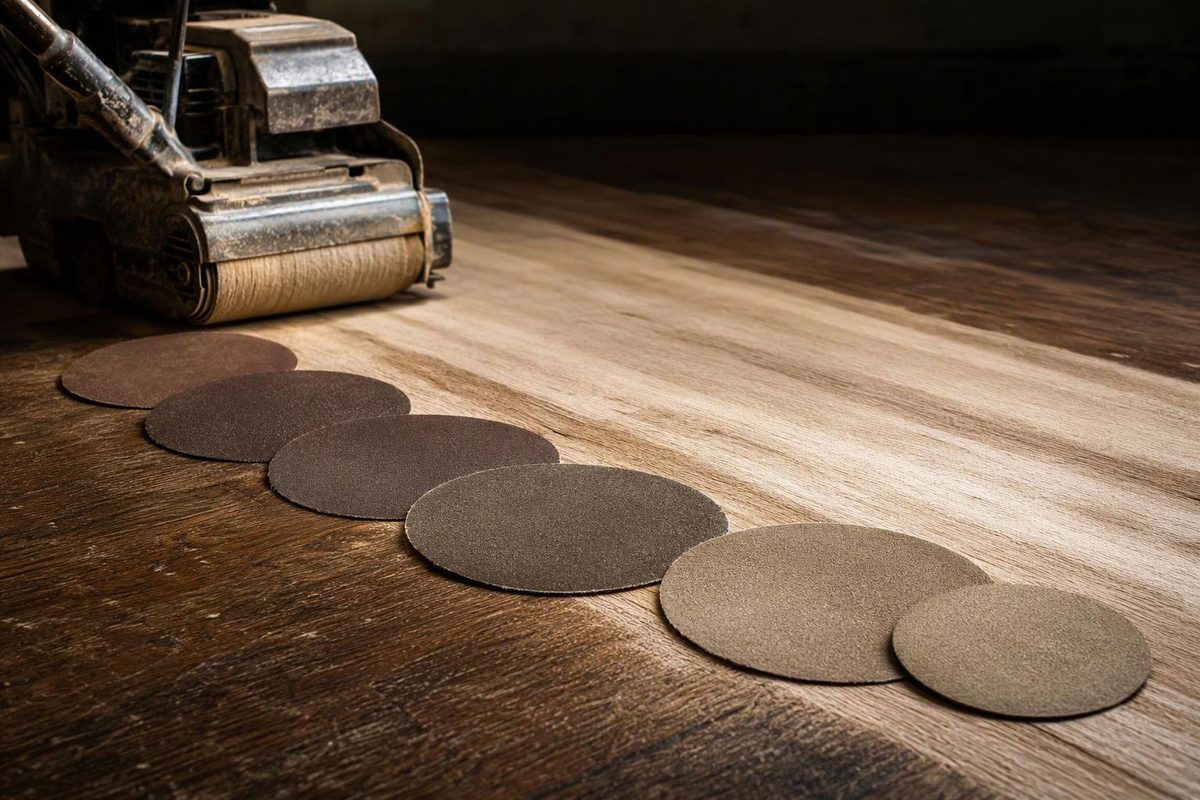
Floor Sanding Grit Sequence: Choose the Right Starting Cut
Compare 36–60–80 and 40–60–100 floor sanding sequences, choose a starting grit, match the edges, and know when to stop before staining.
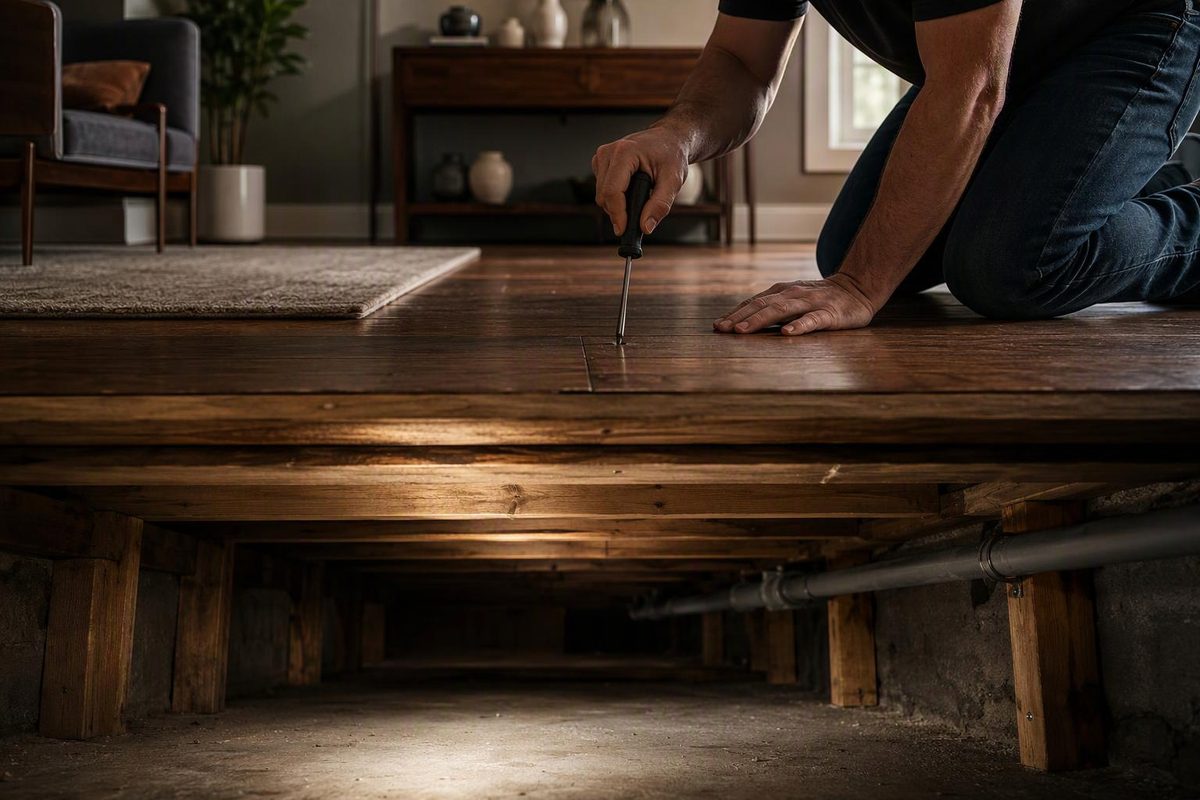
How to Fix a Squeaky Floor Without Guessing
Locate the moving layer, then repair a squeaky floor from above or below without damaging hardwood, carpet, floating flooring, pipes, or wiring.
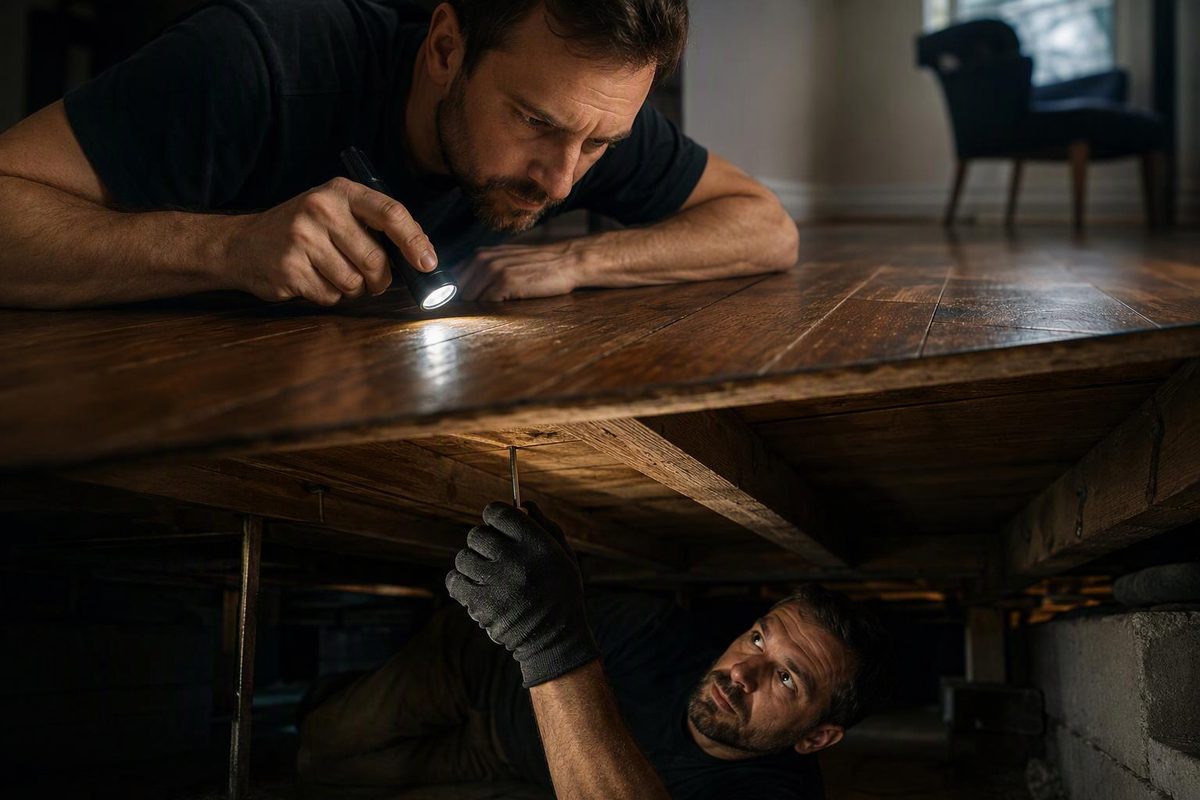
How to Repair a Squeaky Floor at the Source
Pinpoint whether the noise comes from hardwood, subfloor, or framing, then choose a safe repair from below or above without scattering random screws.
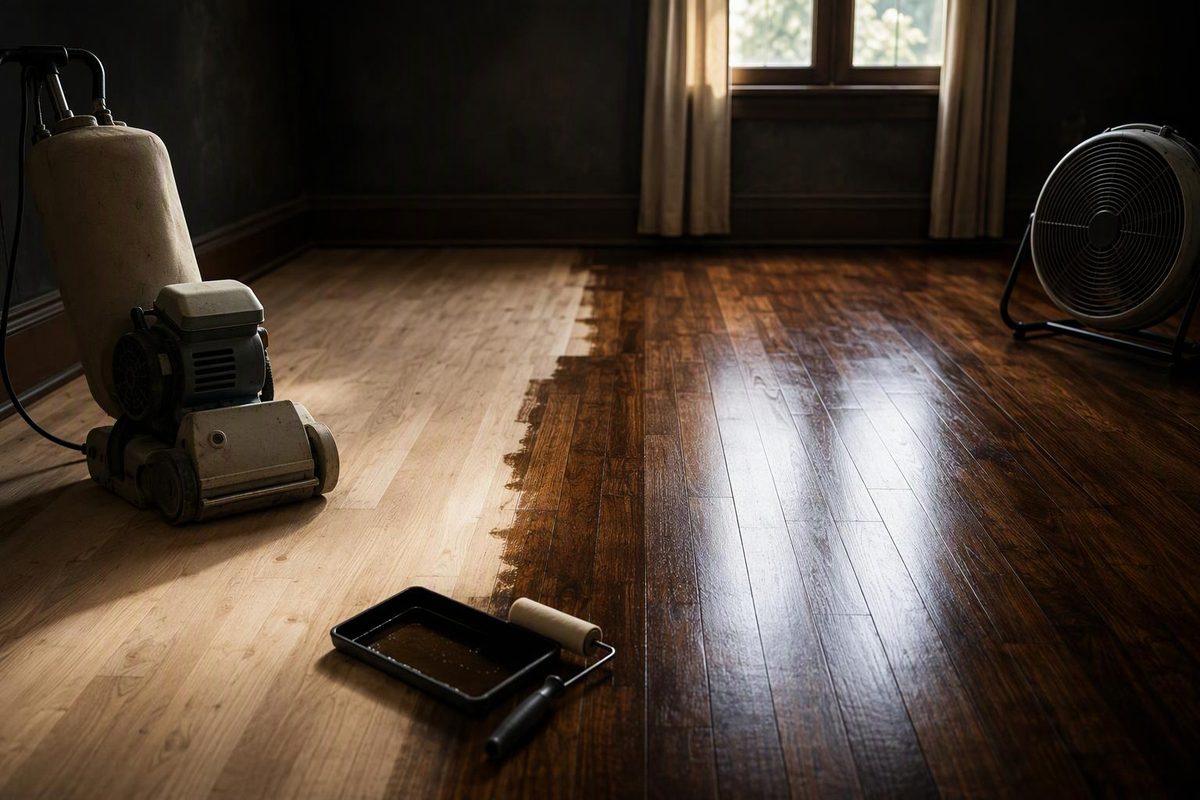
How Long Does It Take to Refinish Hardwood Floors?
Most hardwood refinishing takes 3–5 working days. Compare sanding, stain, finish and cure timelines, including when you can walk or replace rugs.
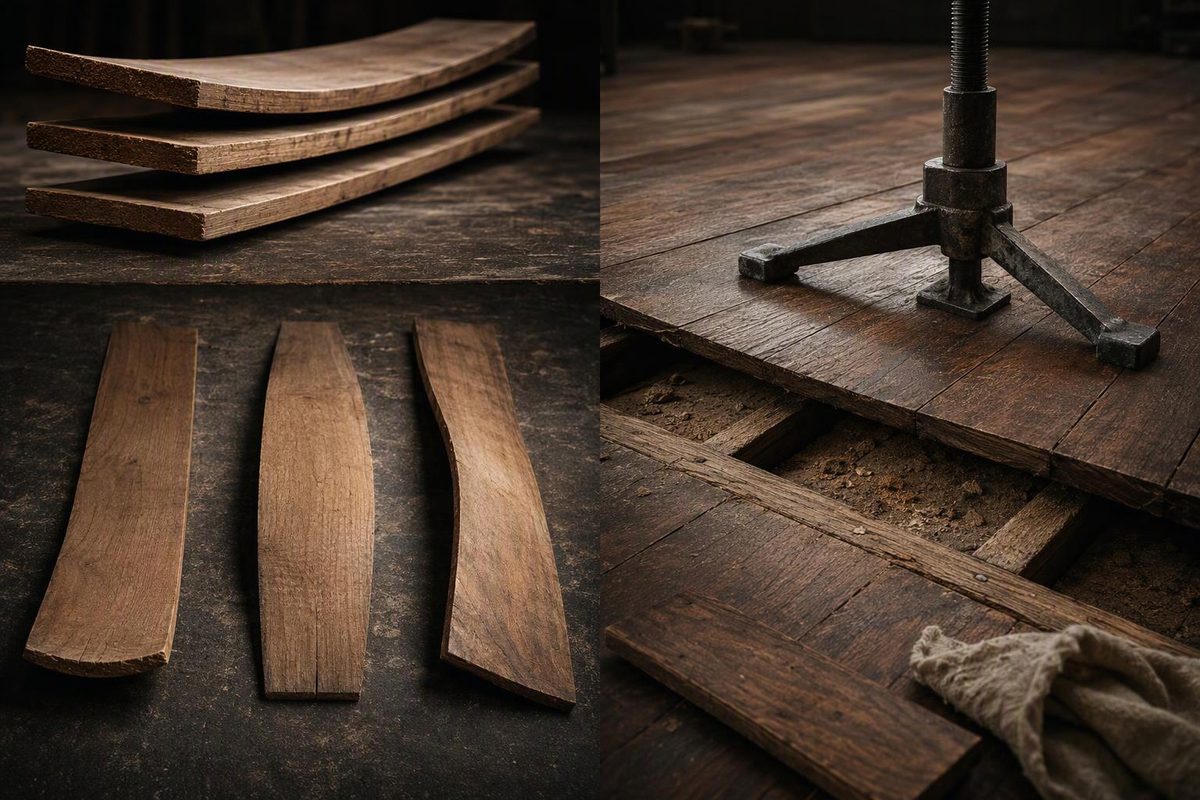
How to Flatten Warped Wood Without Hiding the Cause
Identify cup, bow, crook or twist; stabilize moisture; then flatten loose lumber—or repair a warped wood floor without sanding too soon.
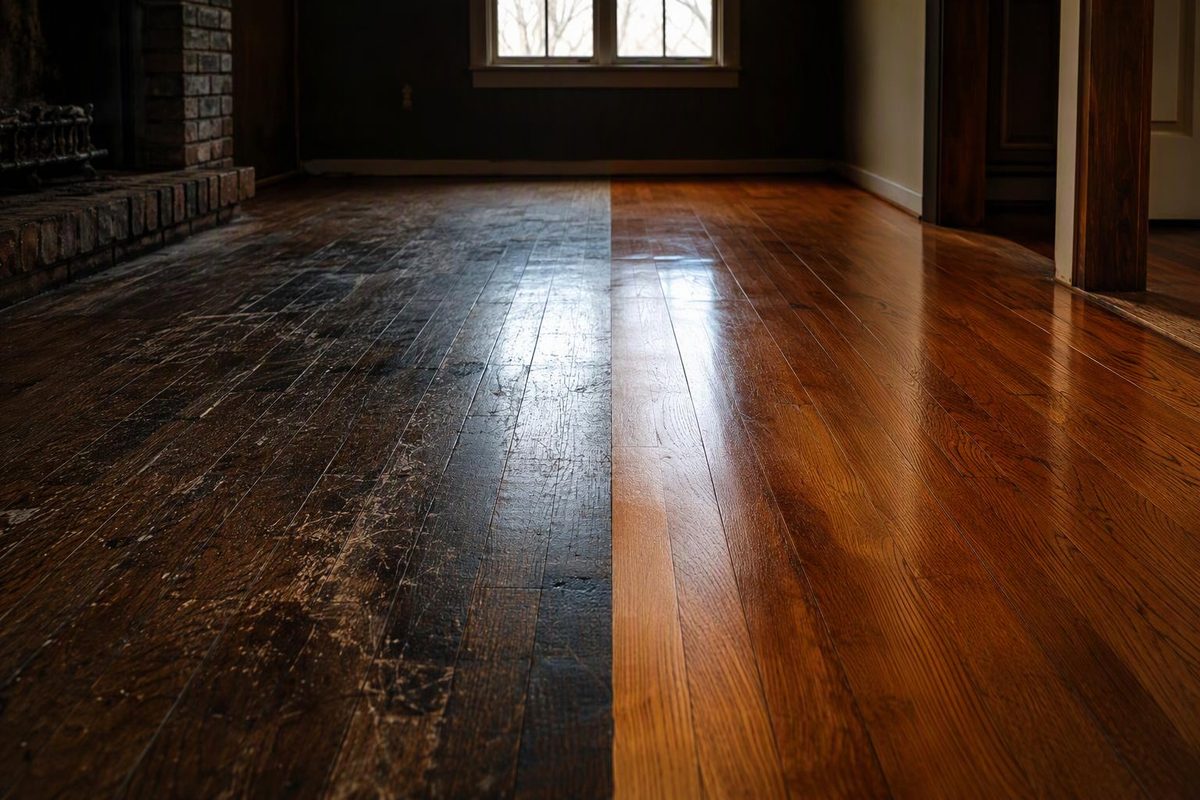
Refinish Hardwood Floors Before and After: Real Results
See which scratches, stains, color shifts, and finish defects refinishing can change—and which moisture, movement, or structural problems it cannot fix.