
Hardwood Plywood Tariffs: The October Deadline Was Not an Automatic Price Increase
Separate the October 2026 hardwood review from plywood duty cases, then check product origin, panel construction and flooring quote terms.
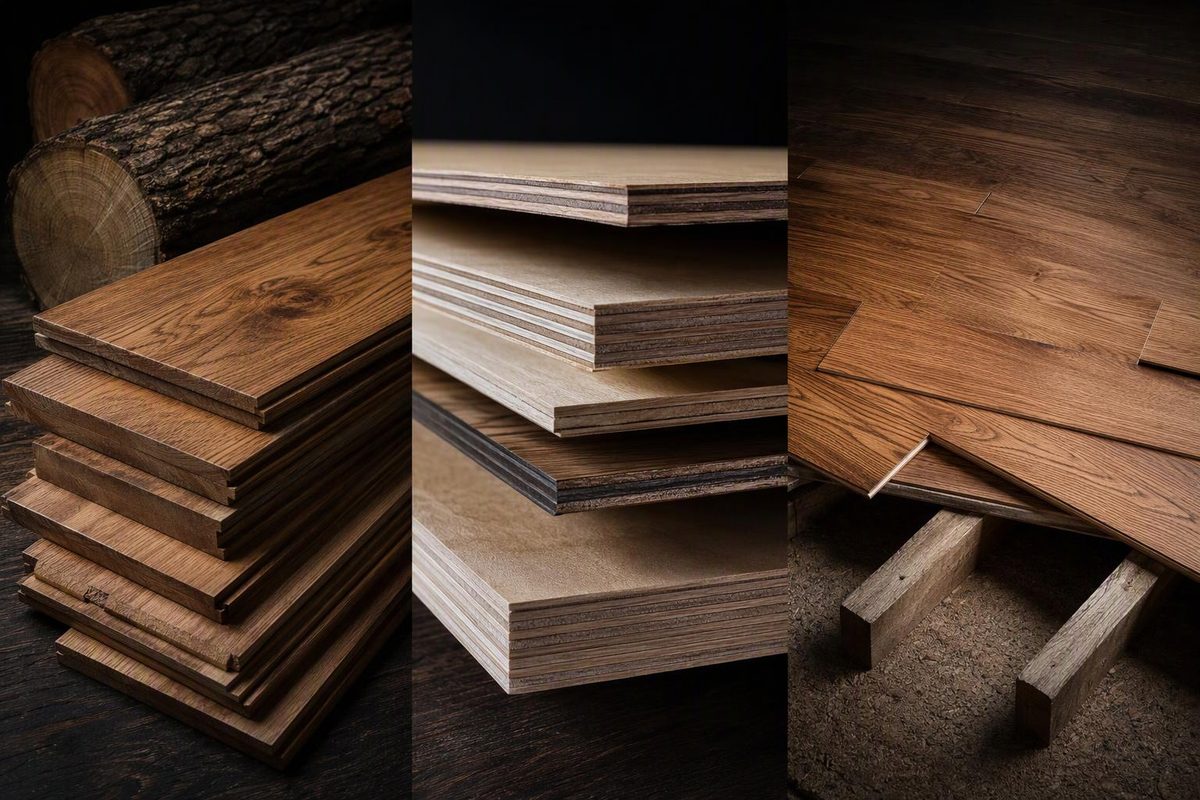
October 1, 2026 was a deadline for a federal hardwood-import update—not an automatic start date for a new hardwood plywood tariff. Clause (9) of Proclamation 10976 required the Commerce Secretary to update the President on hardwood timber and lumber imports, markets and domestic industry, so the President could decide whether additional duties on those products or their derivatives were warranted. The clause did not set a plywood tariff percentage or an October effective date. Read the proclamation.
For a U.S. flooring or subfloor quote dated October 30, 2026, the useful question is therefore not “What percentage did October add?” It is “Which duty applies to this particular product, and is it already included in the price?”
What the original wood tariff covered
The September 2025 proclamation initially imposed Section 232 duties of 10% on specified softwood timber and lumber, and generally 25% on certain upholstered wooden furniture and kitchen cabinets and vanities, effective October 14, 2025. It also provided different treatment for products from the United Kingdom, European Union and Japan. Its initial Section 232 tariff scope did not include plywood classified under HTS heading 4412. These are the original measures, not a current all-products rate table. Official proclamation and Annex I.
That exclusion does not mean imported plywood is duty-free. It means the original Section 232 wood measure and other plywood duties must be checked separately. Nor should the October hardwood-review deadline be treated as proof that plywood was subsequently added. Any claimed expansion needs an implementing action identifying the covered goods, rate and effective date.
Separate plywood duty cases already matter
The 2026 hardwood and decorative plywood trade cases are distinct from the October review. In its determinations filed September 4, the U.S. International Trade Commission found material injury from covered imports from China, Indonesia and Vietnam, excluding all softwood structural plywood. USITC determinations published September 9, 2026.
Commerce’s July 21 Indonesian final antidumping determination had already required continued import cash deposits, with rates depending on the producer or exporter. Its scope also states that the written product description—not the tariff-code list—controls coverage. A label such as “underlayment plywood” is consequently not enough to settle the duty question. Commerce determination and scope.
For thin panels beneath a finish floor, see whether plywood tariffs affect underlayment panels. Do not assume a decorative panel and a rated structural subfloor sheet have the same import treatment—or are interchangeable in the floor assembly.
A plywood core does not settle a flooring tariff
Engineered flooring and plywood sheets are different products. The National Wood Flooring Association describes engineered wood flooring as multilayered real wood, while composite engineered flooring can use other composite backing and core materials. Not every engineered plank has the same construction. NWFA flooring types.
Even when a plank contains plywood, that alone does not establish which duty applies to the finished imported flooring. Commerce’s plywood investigation scope expressly excludes multilayered wood flooring as described in the separate Chinese flooring orders. That is a scope distinction, not a blanket exemption from every tariff. Commerce scope exclusions.
Before accepting a tariff-related price increase
Ask the supplier or contractor to put these details in writing:
- Exact product: manufacturer, SKU, panel rating or plank construction, and country of manufacture.
- Reason for the increase: which duty or supplier price change is involved. If described as a new October tariff, request the implementing notice and effective date—not a pre-deadline forecast.
- Separated costs: flooring, subfloor panels, adhesives, delivery, labor and preparation.
- Price protection: quote expiration, stock availability, and whether a deposit fixes the material price or leaves it subject to change.
If the supplier cannot identify the duty, ask for confirmation from its importer rather than trying to classify the product from a sales label.
Do not add a headline tariff percentage to the entire installed quote. Instead, compare the actual revised material lines and any other changed charges.
Finally, preserve the required floor specification. A cheaper panel is not a suitable substitute merely because it avoids a surcharge. Check plywood subfloor thickness and preparation, or compare engineered hardwood products, before approving a substitution.